The Most Breathtaking Trekking Destinations in Vietnam
Vietnam is a hidden gem for trekking enthusiasts. From misty mountain ranges in the north to dramatic limestone landscapes and remote ethnic villages, the country offers some of the most diverse and rewarding trekking experiences in Southeast Asia. Whether you are a seasoned mountaineer or a nature lover seeking meaningful outdoor adventures, trekking in Vietnam delivers raw beauty, cultural depth, and unforgettable views.
Below are some of the most breathtaking trekking destinations in Vietnam that no mountain lover should miss.
Trekking Above the Clouds in Sapa
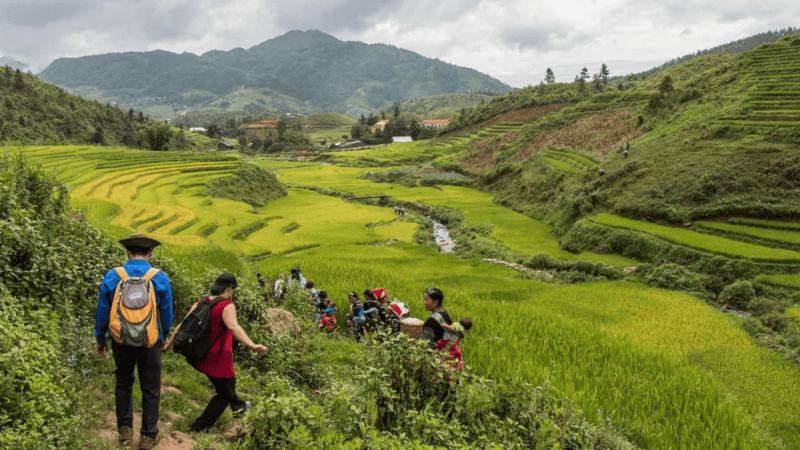
Sapa is Vietnam’s most iconic trekking destination, famous for its terraced rice fields, cool mountain climate, and rich ethnic culture. Trekking routes around Sapa take you through Muong Hoa Valley, remote hill tribe villages, bamboo forests, and rolling mountain paths often wrapped in mist.
What makes Sapa especially unique for golfers is that it is also home to Sapa Grand Golf Course, one of the highest altitude golf courses in Vietnam. This makes Sapa a rare and perfect destination for golfers who love trekking—where you can hike through breathtaking landscapes in the morning and enjoy a scenic golf round in the afternoon, surrounded by mountains and fresh alpine air.
여행 양식 만들기 지금 5% 할인받기Tailor-make Your Own Trip Get 5% discount now
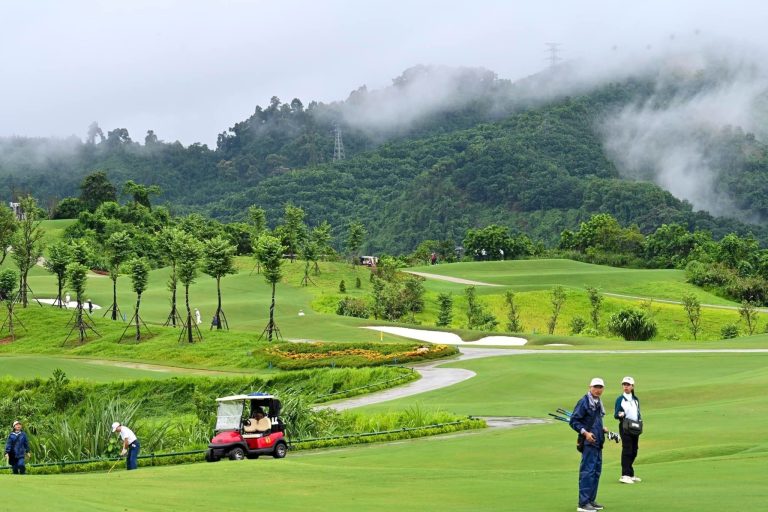
Best time to trek in Sapa is from September to November (golden rice terraces) and March to May (clear skies and blooming flowers).
Ha Giang – Vietnam’s Most Dramatic Mountain Scenery
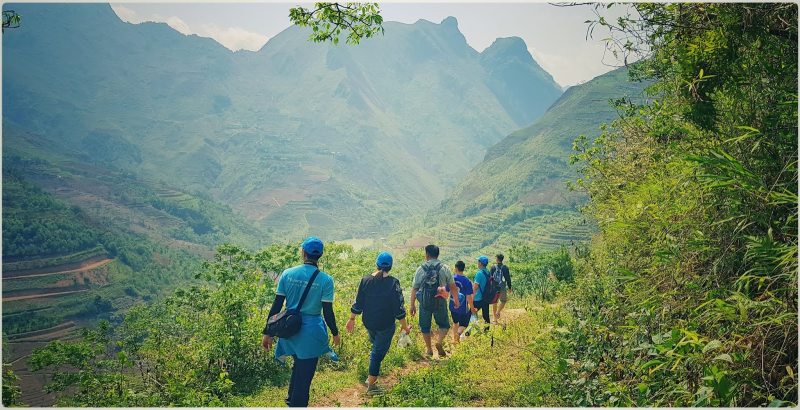
Ha Giang is often considered the most spectacular trekking destination in Vietnam. Located at the northernmost point of the country, this region is defined by towering limestone peaks, deep valleys, winding mountain passes, and untouched ethnic villages.
Each season in Ha Giang offers a completely different visual experience:
- October to December: The landscape is painted with pink and purple buckwheat flowers and bright mustard fields, creating postcard-perfect trekking routes.
- Spring (February to March): Plum and apricot blossoms bloom across the mountains, making the region feel like it’s floating above the clouds.
- May: The famous “water pouring season,” when terraced fields reflect the sky like mirrors.
- June to July: While summer rains are frequent, they transform the mountains into a deep, lush green—raw, wild, and incredibly atmospheric.
Beyond the physical challenge, trekking in Ha Giang offers breathtaking scenery at every turn, rewarding hikers with dramatic viewpoints that feel almost unreal.
Pu Luong Nature Reserve – Peaceful Trails and Rural Beauty
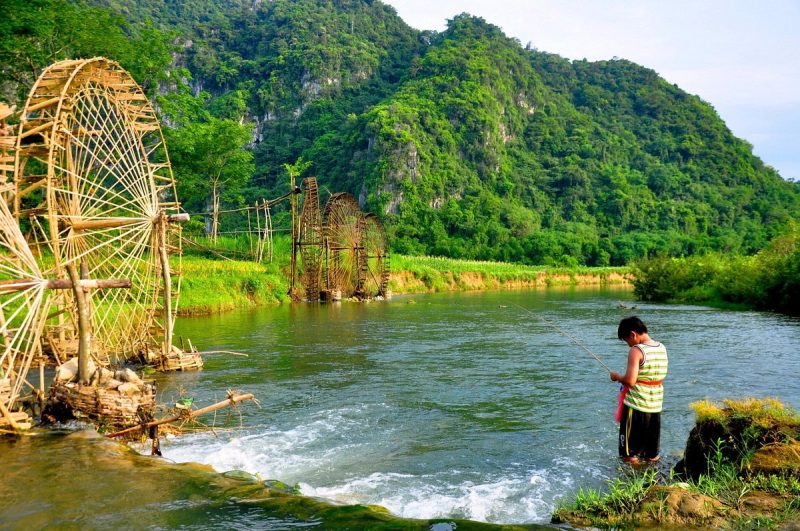
Pu Luong is ideal for trekkers seeking a quieter, more meditative experience. Located in Thanh Hoa Province, the area features gentle mountain trails, bamboo forests, waterfalls, and terraced rice fields interwoven with traditional Thai villages.
Trekking here is less technical but deeply immersive, offering slow travel, fresh air, and a strong connection with nature and local life. It’s perfect for travelers who value wellness, relaxation, and cultural discovery alongside hiking.
Fansipan – Conquering the Roof of Indochina
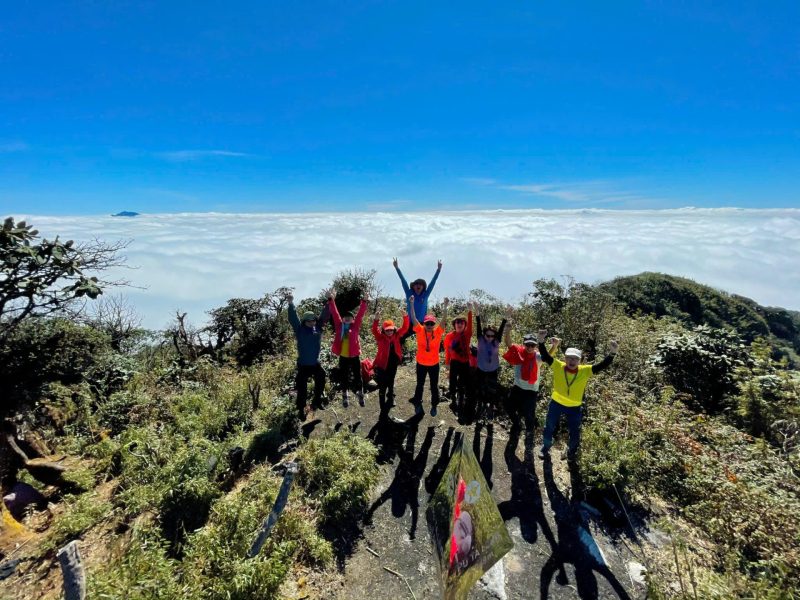
For true mountain lovers, Fansipan is the ultimate challenge. Standing at 3,143 meters, it is the highest peak in Indochina. Trekking Fansipan is physically demanding but incredibly rewarding, taking hikers through dense forests, steep ascents, and dramatic alpine scenery.
While a cable car now exists, trekking to the summit remains a badge of honor for serious hikers who want to earn every step.
Best Time to Visit Trekking Destinations Across Vietnam
Vietnam stretches across three distinct regions, each with its own climate patterns. Choosing the right time to visit is essential for a successful trekking experience.
Northern (Sapa, Ha Giang, Fansipan):
The best trekking season is from September to November and March to May, when the weather is cooler, skies are clearer, and landscapes are at their most photogenic. Autumn brings golden rice terraces and flower seasons, while spring offers blooming forests and mild temperatures.
Central (Quy Nhon, Central Highlands):
The ideal period is January to August, with dry weather and stable conditions suitable for both trekking and coastal exploration. Avoid peak rainy months from October to December, especially for mountain routes.
Southern:
Trekking options are more limited due to flatter terrain, but outdoor activities are best enjoyed during the dry season from December to April, when humidity is lower and travel conditions are more comfortable.
Planning Your Trip: Combining Trekking, Golf, and Sightseeing
For travelers who want more than just trekking, Vietnam is an ideal destination to combine mountain adventures, cultural sightseeing, and golf experiences in one journey. However, thoughtful itinerary planning is key.
Trekking often requires physical energy and time for recovery, so it is highly recommended to plan longer trips rather than short getaways. This allows you to balance active days on the trail with lighter activities such as city tours, beach relaxation, spa treatments, or a round of golf.
Destinations like Sapa are perfect examples, where trekking routes coexist with scenic golf courses, making it easy to alternate between adventure and leisure. Similarly, pairing northern trekking routes with cultural exploration or southern golf destinations creates a more rounded and enjoyable travel experience.
To fully enjoy trekking while still having time for sightseeing and golf, travelers should prioritize:
- Flexible pacing
- Fewer destination changes
- Longer stays in each region
A well structured itinerary not only enhances comfort and safety but also transforms the journey into a truly immersive and rewarding experience.
여행 양식 만들기 지금 5% 할인받기Tailor-make Your Own Trip Get 5% discount now